Sunday
10.2026

Vuong Family Palace: Visiting the Hmong King’s Mansion
07 Sep - 2026
The Vuong Family Palace is the strangest building you will see anywhere on the Ha Giang Loop: a fortified mansion of stone and dark pine, hidden behind a row of hundred-year-old sa moc trees in a valley a few kilometres off the main road.
Most riders blast past the turn without knowing it is there. That is a mistake. This is the house of the man the French called the Hmong King. You will also see it signposted as the Vuong Family Mansion or the Hmong King’s Palace, and an hour inside it explains more about this plateau than any viewpoint can.
Here is the story, what you will find inside, and how to work the stop into your loop.
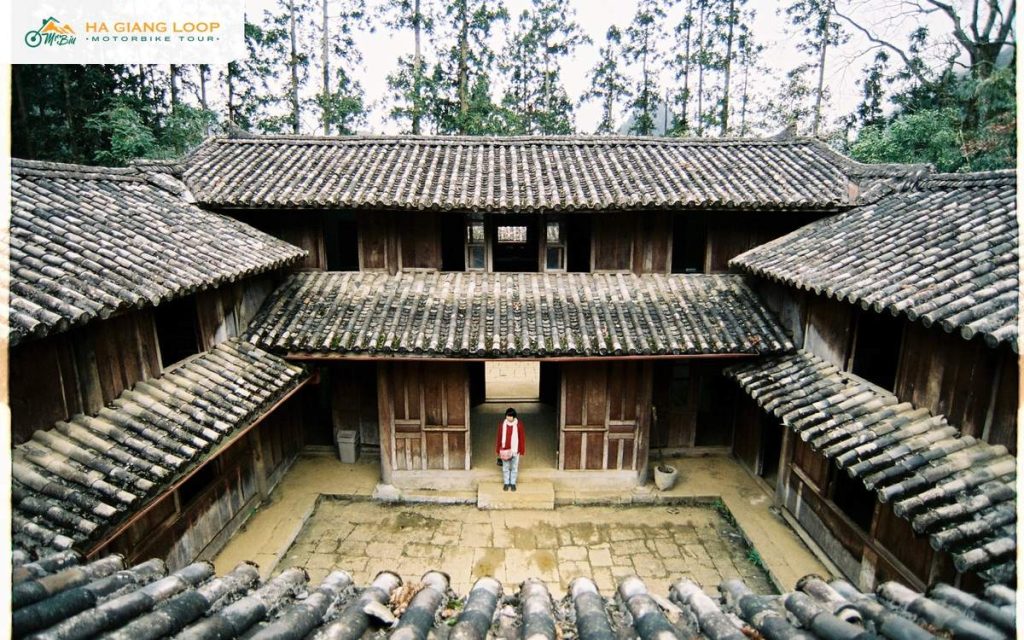
The palace stands in Sa Phin, a small valley in Dong Van district, about 15 kilometres from Dong Van town and roughly 125 kilometres from Ha Giang City. It sits just off Highway 4C, the road every loop itinerary rides between Yen Minh and Dong Van, so the detour costs you minutes, not hours.
Local people call it Dinh Vua Meo, the palace of the Hmong King. It has been a recognised national monument since 1993, and it is one of the very few places on the Dong Van Karst Plateau where the history of the region is standing right in front of you rather than written on a signboard.
At the turn of the twentieth century, Vuong Chinh Duc was the most powerful Hmong leader on the plateau, controlling trade across these mountains at a time when the French colonial administration barely reached them. The wealth that built this house came largely from the opium trade that once dominated the border economy, and the house does not hide it: the stone bases of the columns are carved in the shape of poppy flowers.
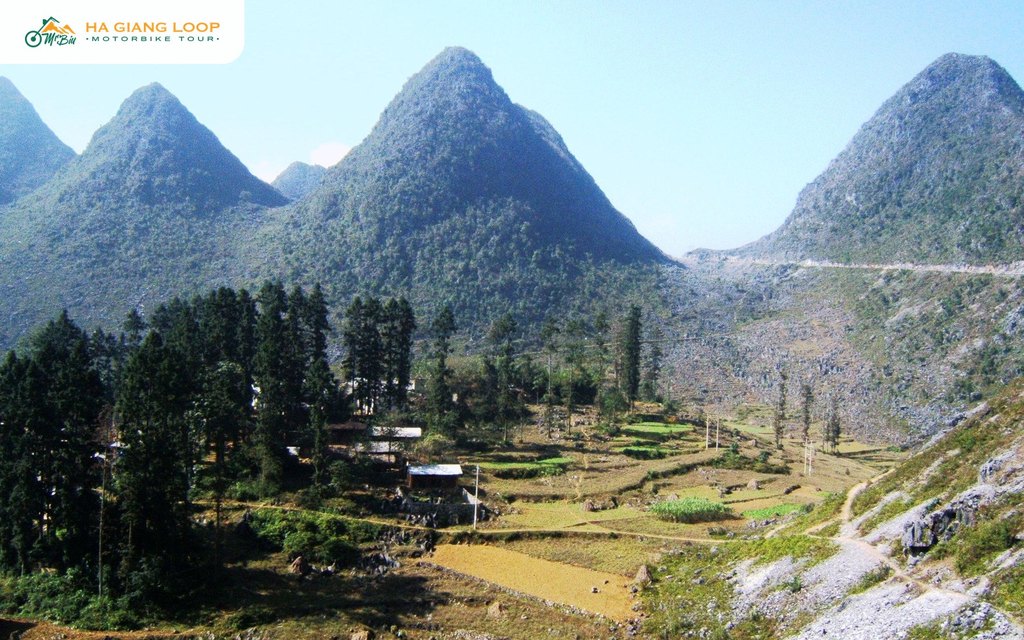
Construction took the better part of a decade, with craftsmen brought in from China, and the figure locals quote for the cost is 150,000 silver coins. The site itself was chosen by a feng shui master: a mound shaped like a turtle shell, ringed by mountains, with the sa moc trees planted as a living wall around the compound.
The compound runs back through three courtyards with around 64 rooms in total, and the deeper you walk, the more private it becomes: reception rooms at the front, family quarters behind, storerooms and guard posts along the walls.
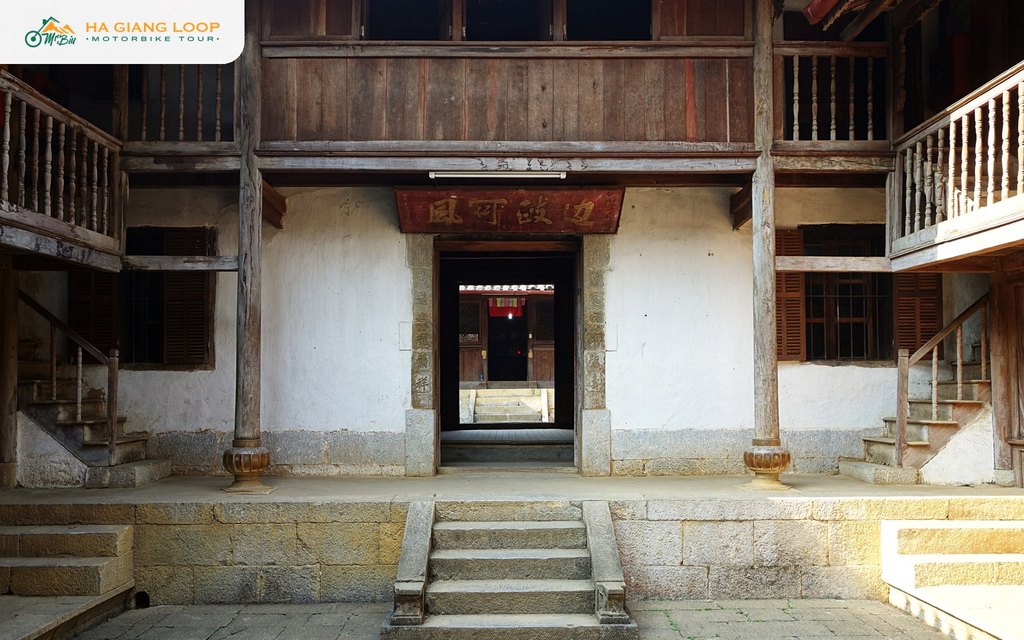
The architecture is a blend you will not see anywhere else in Vietnam. The bones of the building are Hmong, the curved tile roofs and carved details are Qing dynasty Chinese, and here and there the French turn up too, most famously in a stone bathtub the family is said to have filled with goat’s milk.
Look for the small things. Gun slits in the outer walls. The polished wooden pillars on their poppy-flower pedestals. Portraits of the Vuong family, whose descendants still live in the area. It is a house that was loved, defended and shown off, all at the same time.
From Dong Van town, ride Highway 4C in the direction of Yen Minh for around 15 kilometres, then take the signed turn for Sa Phin. From the Yen Minh side you will reach the same junction shortly after the Sung La valley. The side road is paved and gentle by Ha Giang standards.
You park by the small market square at the foot of the hill and walk up a short flight of stone steps under the trees. On market days the square fills with traders from the surrounding villages, and the walk to the gate becomes half the fun of the visit.
Entry is a small fee, around 30,000 dong per person the last time we checked, paid at the gate. The site keeps normal daytime hours and is busiest with domestic visitors on weekends and holidays. Prices and hours do change, so ask your guide or check on the day.
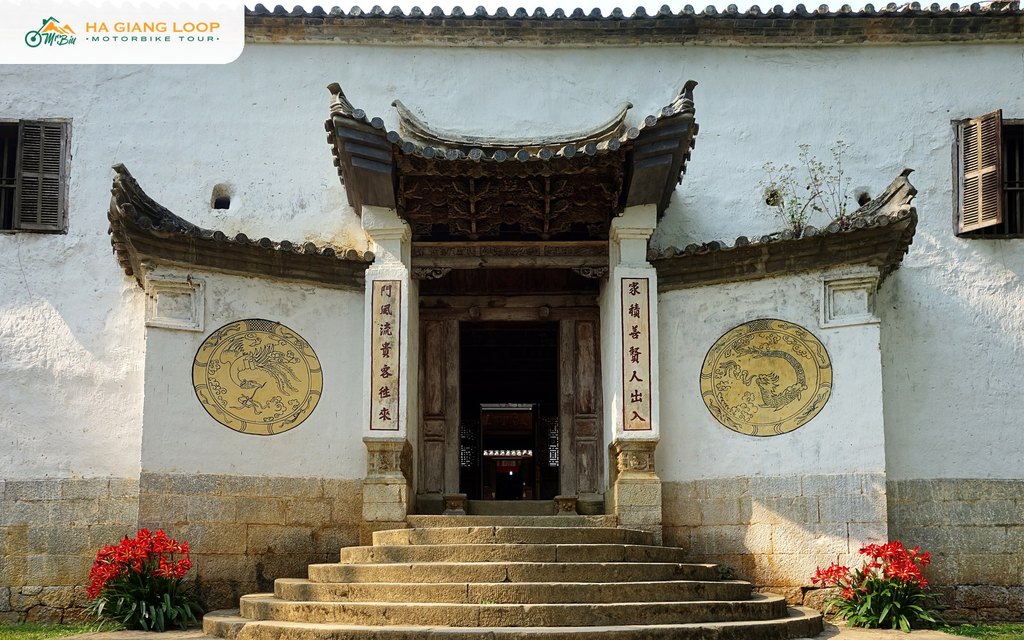
Most people find 45 minutes to an hour is right: enough to walk all three courtyards, read the family history and sit for a moment under the trees. Add extra time if you land on a market day.
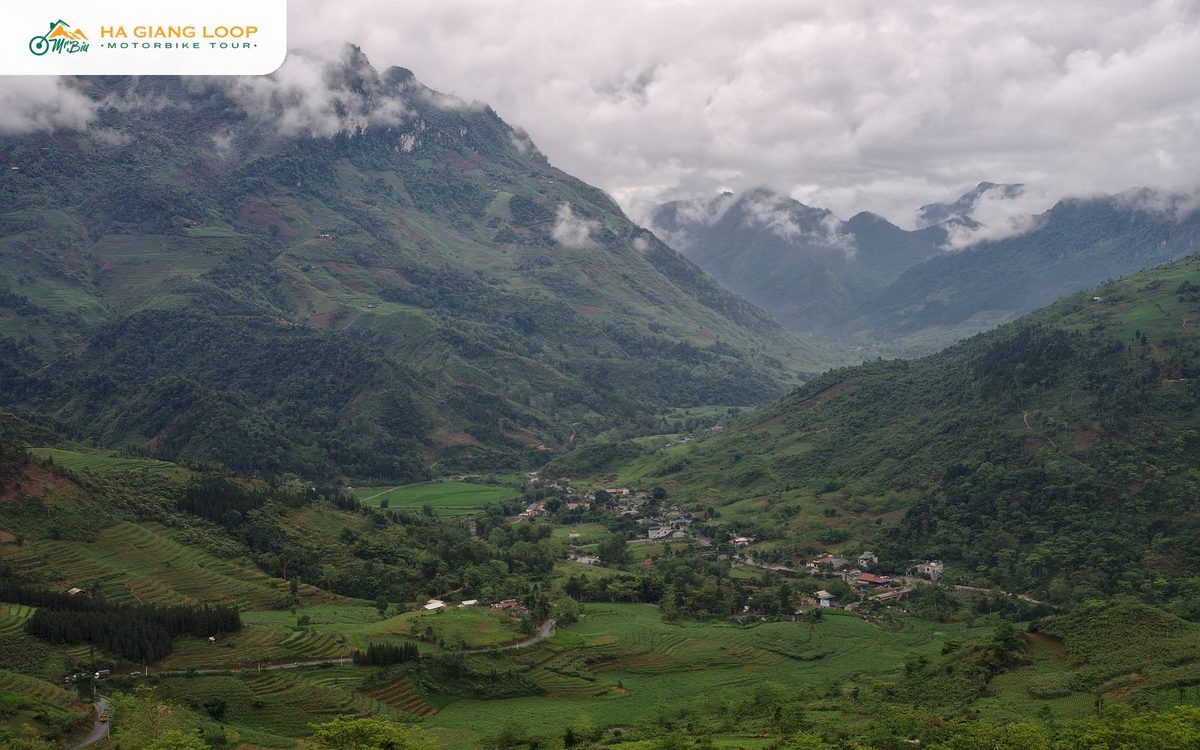
The palace sits on the leg between Yen Minh and Dong Van, which both of our itineraries ride. On the three-day loop that is the afternoon of day one, when the route crosses the Sung La valley and Chin Khoanh pass on its way up to Dong Van. On the four-day loop the pace is gentler and the detour is even easier to absorb.
The honest advice: if the history of this plateau interests you at all, tell us when you book and we will build the Sa Phin stop into your day. It is a small detour for a place you will still be describing to people months later.
Both of our tours are run by a local family who have ridden these roads their whole lives. Same circuit, same homestays, and the only choice is how much time you want to give it.
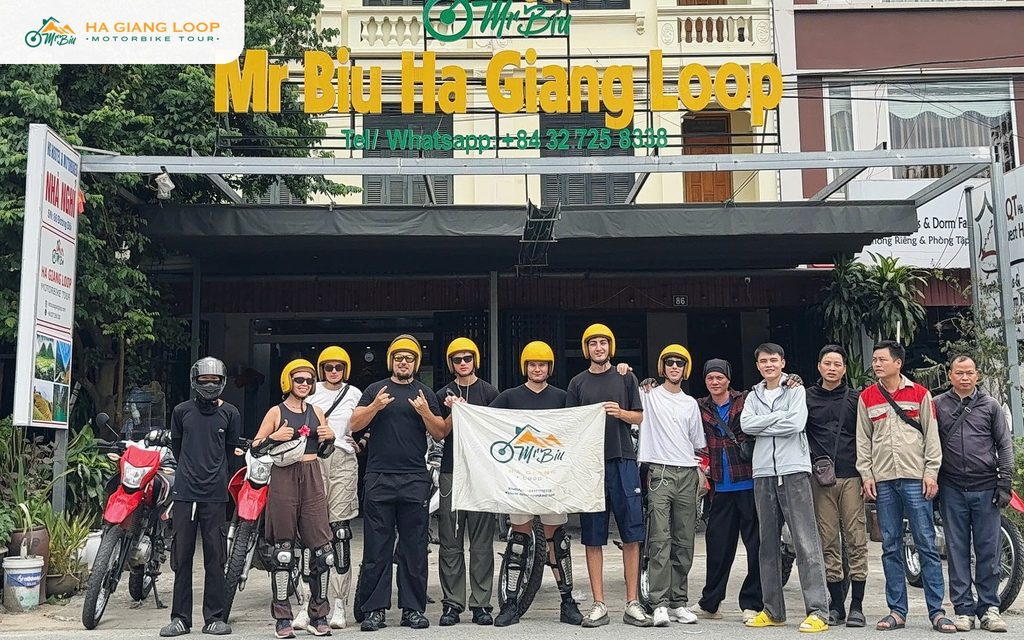
The classic loop, ridden clockwise: Quan Ba Heaven Gate, the Dong Van Karst Plateau, Ma Pi Leng, the Du Gia waterfall and Thai An Pass, with two homestay nights. Around 330 km, from $114. Best if your schedule is tight and you still want every headline view.
Everything above plus Lung Cu Flagpole, a Lo Lo village, the Yen Minh pine forest and Lung Khuy Cave, spread over a gentler pace. Around 440 km, from $154. Best if you would rather stop than hurry.
Self-drive or easy rider on both. Want the Vuong Family Palace on your route? Message us on WhatsApp at (+84) 3272 58338 or email mrbiu.booking@gmail.com and we will plan the stop into your day.
Yes, and especially if you want one stop on the loop that is about people rather than scenery. It is the best preserved piece of Hmong history on the plateau and the visit takes barely an hour.
Entry is a small fee, around 20,000 dong per person when we last checked, paid at the gate. Hours and prices change, so confirm on the day.
Most visitors spend 45 minutes to an hour walking the three courtyards. Add time if your visit lands on a Sa Phin market day.
Yes. The turn off Highway 4C is signed and the side road is paved. The usual Ha Giang rules apply if you self-drive, including a valid international driving permit under the 1968 convention.
Vuong Chinh Duc, the most powerful Hmong leader on the Dong Van plateau in the early twentieth century. His family’s story, told through the house, runs from the opium trade era right into modern Vietnamese history.
The Sung La valley and Lung Cam village are on the same stretch of road, Pho Cao town is just beyond, and Dong Van town is about 15 kilometres away. It slots naturally into the Yen Minh to Dong Van leg of any loop.