Friday
03.2026

13+ Best Places to Take Photos on the Ha Giang Loop
20 Jan - 2026
Every kilometer of the Ha Giang Loop presents a new photographic opportunity. Dramatic viewpoints, hidden valleys, traditional villages, and iconic mountain roads make this route a paradise for landscape and travel photographers. Knowing where to take photos on the Ha Giang Loop can elevate your journey from a scenic ride to a portfolio-worthy adventure. This article by Mr.Biu will break down the best photo spots on the Ha Giang Loop, helping you plan the perfect stops, shooting times, and compositions along the way.
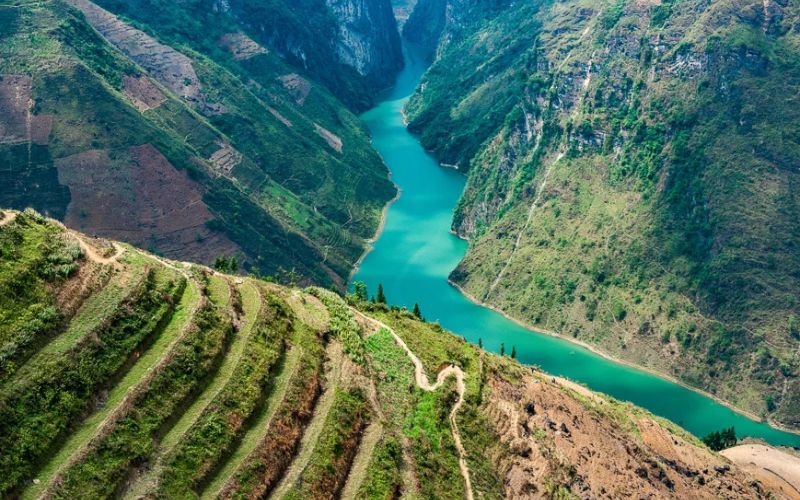
Known as the “King of Passes,” Ma Pi Leng offers dizzying views into the 1,000-meter deep Tu San Canyon. It is home to the best viewpoints on the Ha Giang Loop, where the emerald Nho Que River cuts through the jagged mountains like a shimmering silk thread.
You can capture epic shots from the “Death Rock” (exercise extreme caution!) or hike the Ma Pi Leng Skywalk for a more secluded perspective of the cliffs. Drone pilots should launch from the roadside pull-outs and descend into the canyon to reveal the scale of the vertical walls and the snaking river below.
Perched on the Dragon Mountain just a stone’s throw from the border, Lung Cu flagpole marks the northernmost point of the country. The panoramic views from the top overlook Hmong and Lo Lo villages, providing some of the most patriotic and grand Ha Giang Loop photo spots.
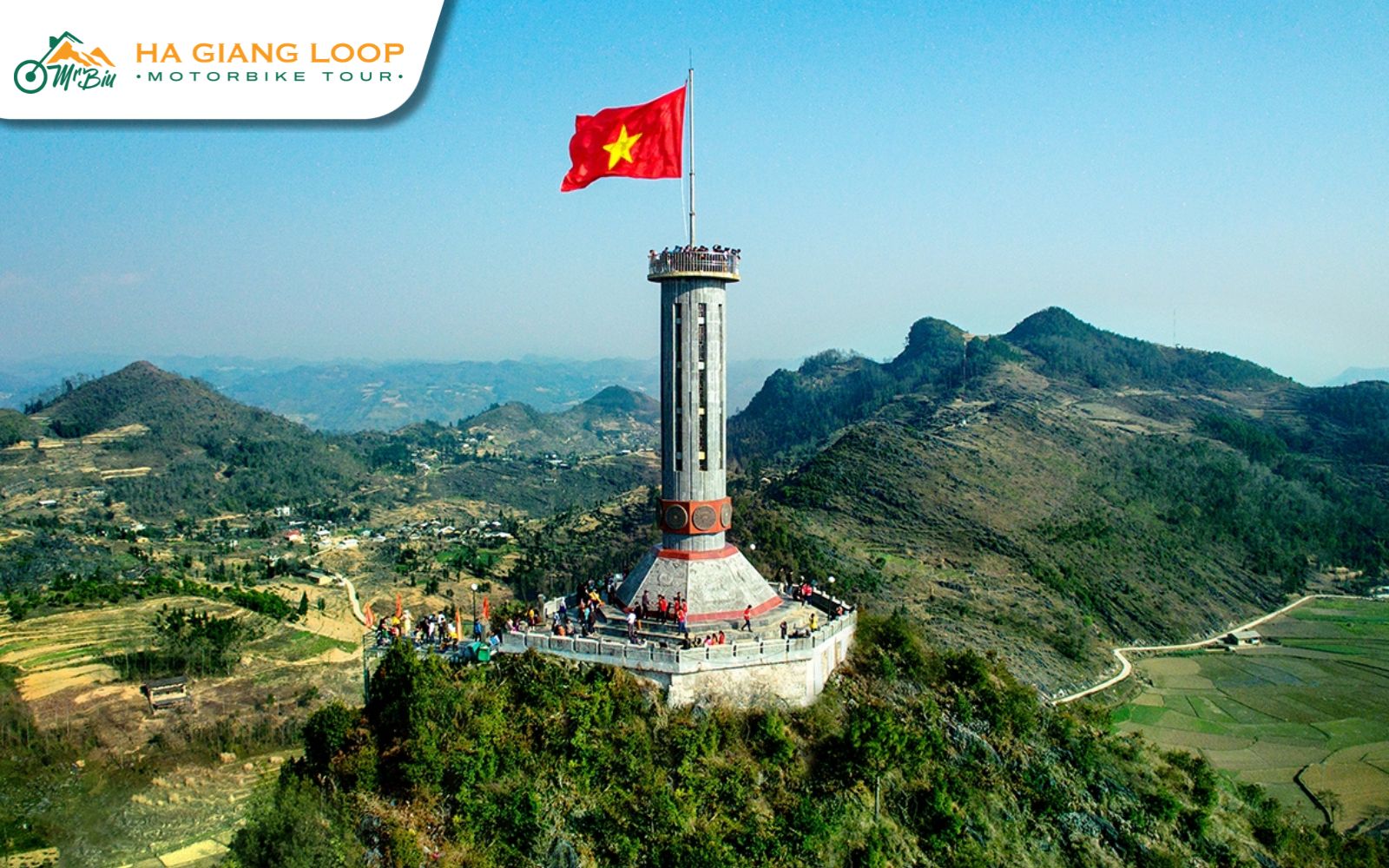
Use the stone staircases leading up to the tower to create leading lines that guide the viewer’s eye toward the giant flag. When using a drone, be mindful of the sensitive border zone; fly low and keep your flight path toward the eastern valleys to capture the tower against the rolling horizon.
This UNESCO Global Geopark is a geological masterpiece featuring vast fields of grey limestone and hidden ethnic hamlets that make it the best photo spots on the Ha Giang Loop. The stark contrast between the ancient rocks and the vibrant life of the locals makes it one of the best photography spots Ha Giang has to offer for storytelling.
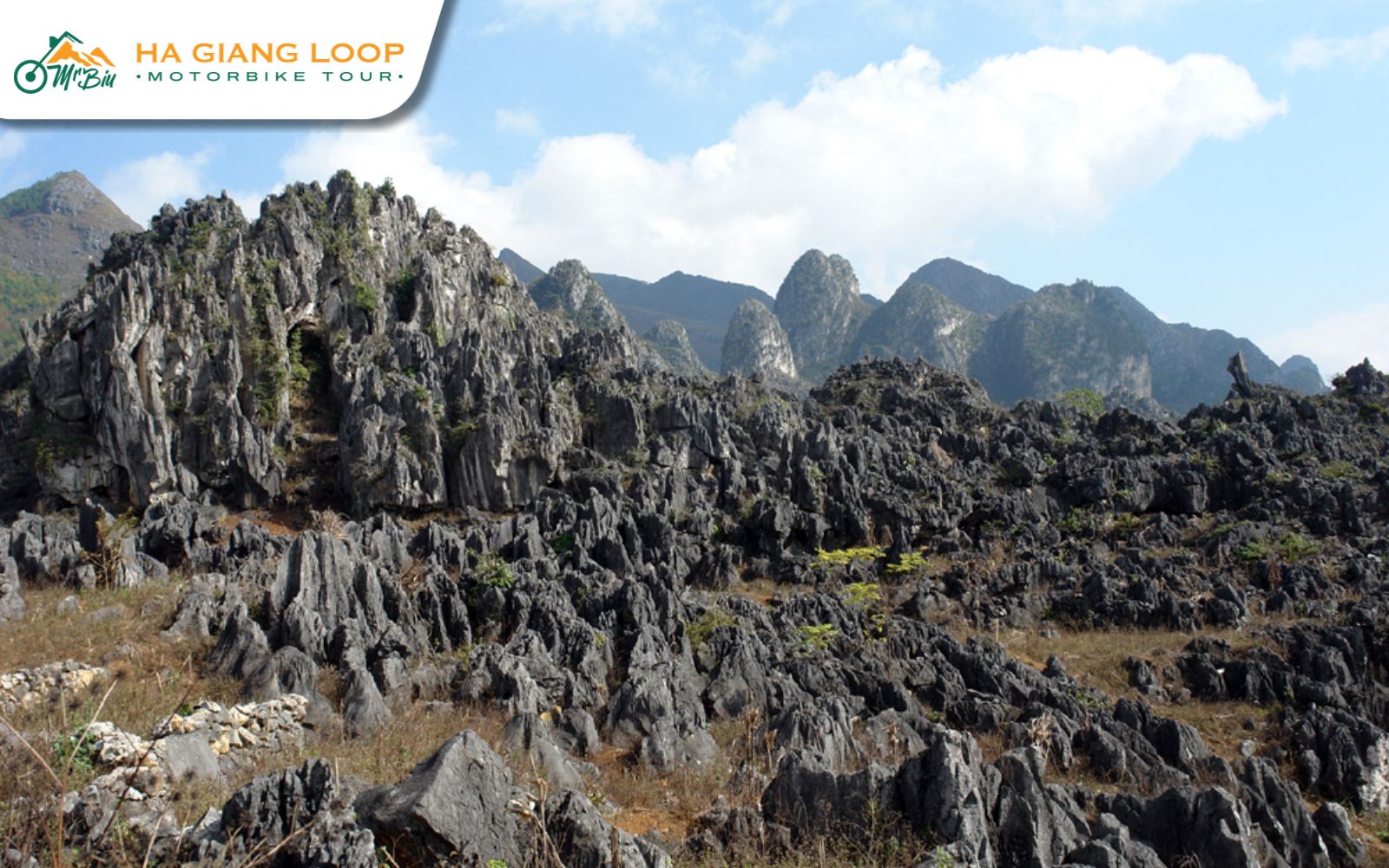
Try using natural frames like stone archways or pine trees to spotlight locals in traditional attire against the craggy landscape. The low-angle light of the golden hour is perfect for bringing out the textures and sharp edges of the limestone formations.
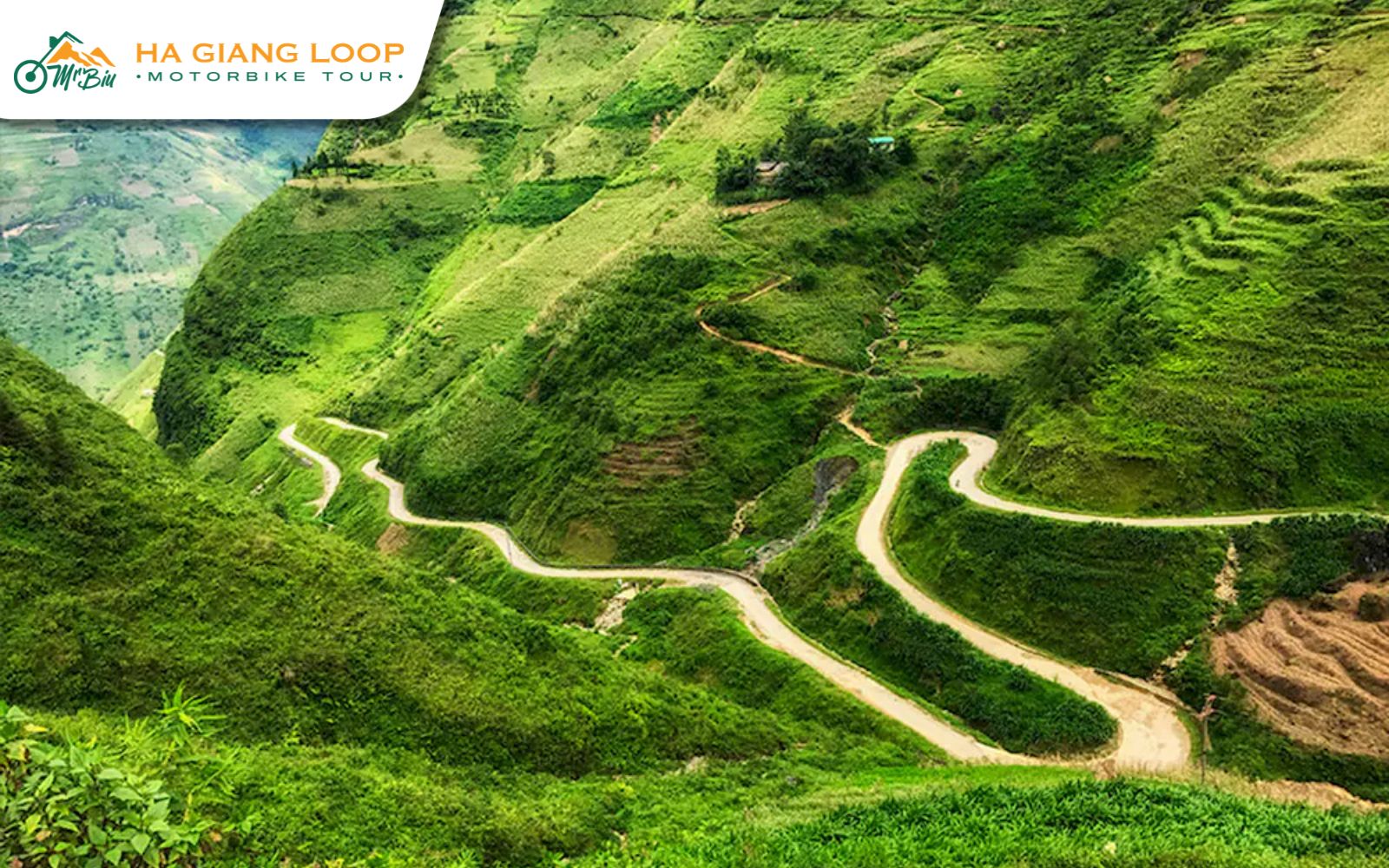
Tham Ma Pass is a legendary “S” shaped road that serves as a testament to the incredible engineering found in Northern Vietnam. It is an essential stop for Ha Giang Loop photography, featuring nine dramatic hairpin turns that snake through massive limestone cliffs.
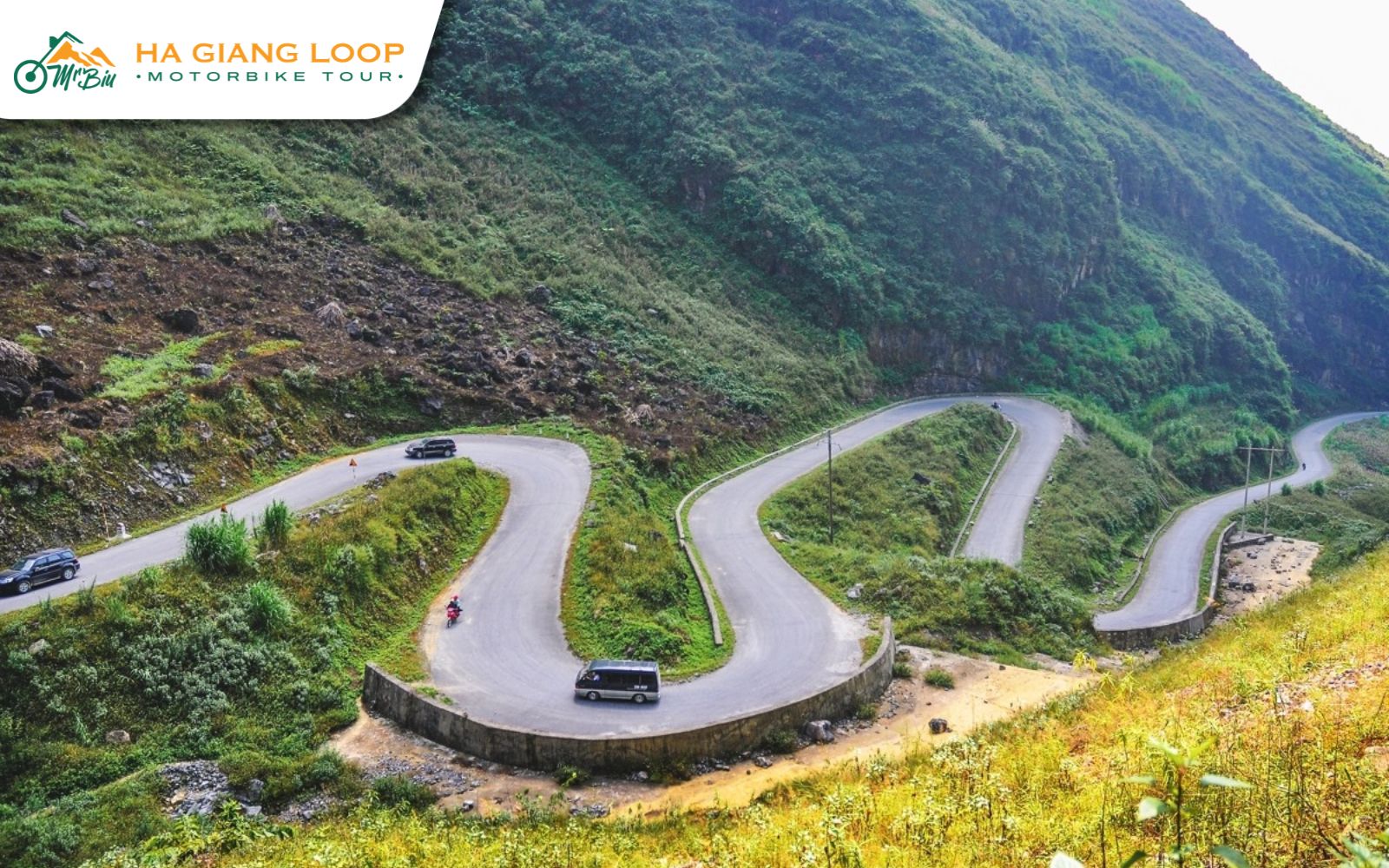
The most popular angle is from the rock outcropping at the summit, looking directly down at the ribbon-like road. For a more authentic touch, try framing your shot with the colorful flower baskets of the local Hmong children in the foreground while the winding pass recedes into the background.
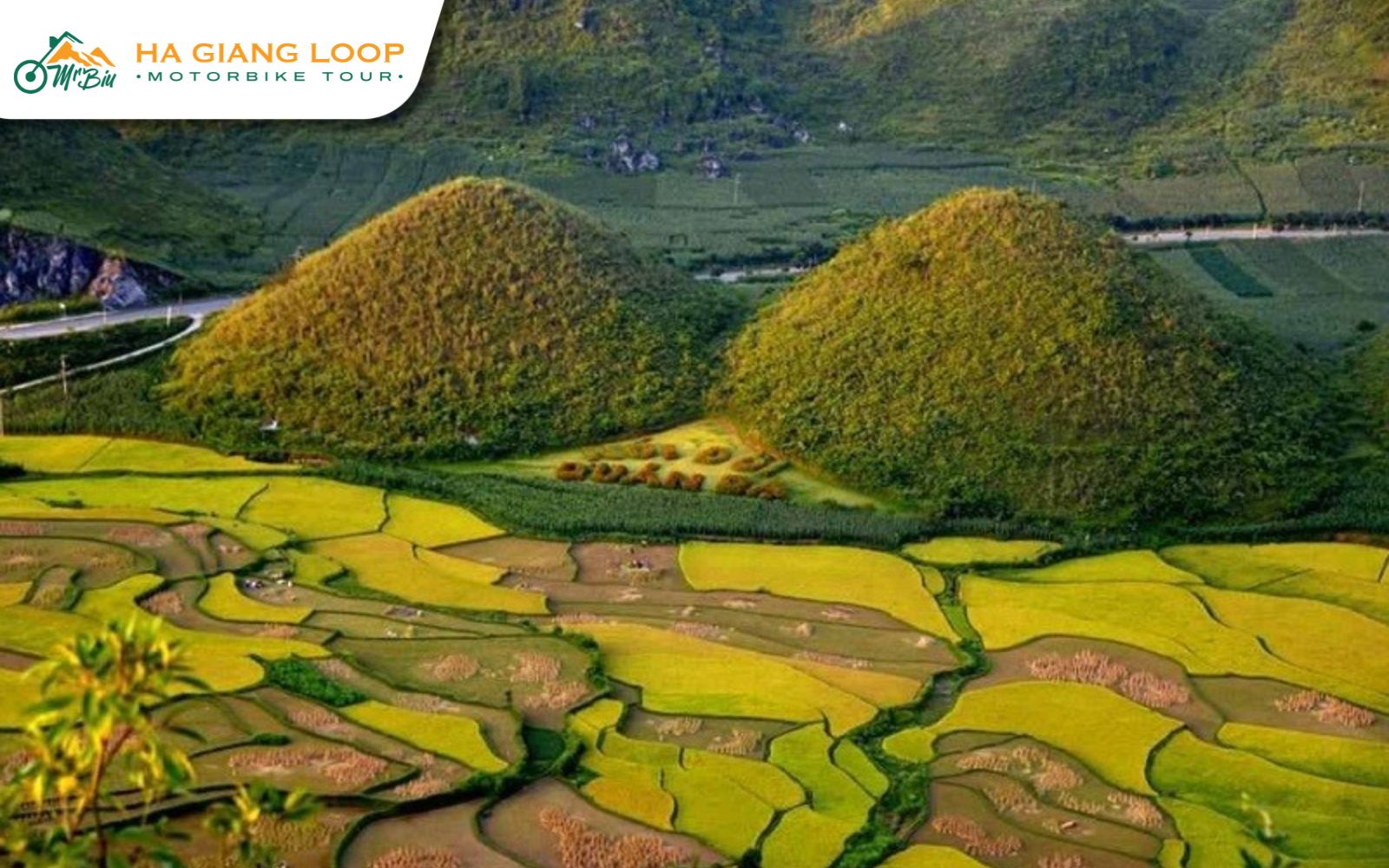
Serving as the gateway to the rocky highlands, Quan Ba Heaven Gate & Twin Mountains offer a panoramic view of two perfectly symmetrical peaks nestled in the Tam Son Valley. The geological harmony and the folklore of the “Fairy Breasts” create a poetic narrative, making it one of the absolute best photo spots on the Ha Giang Loop.
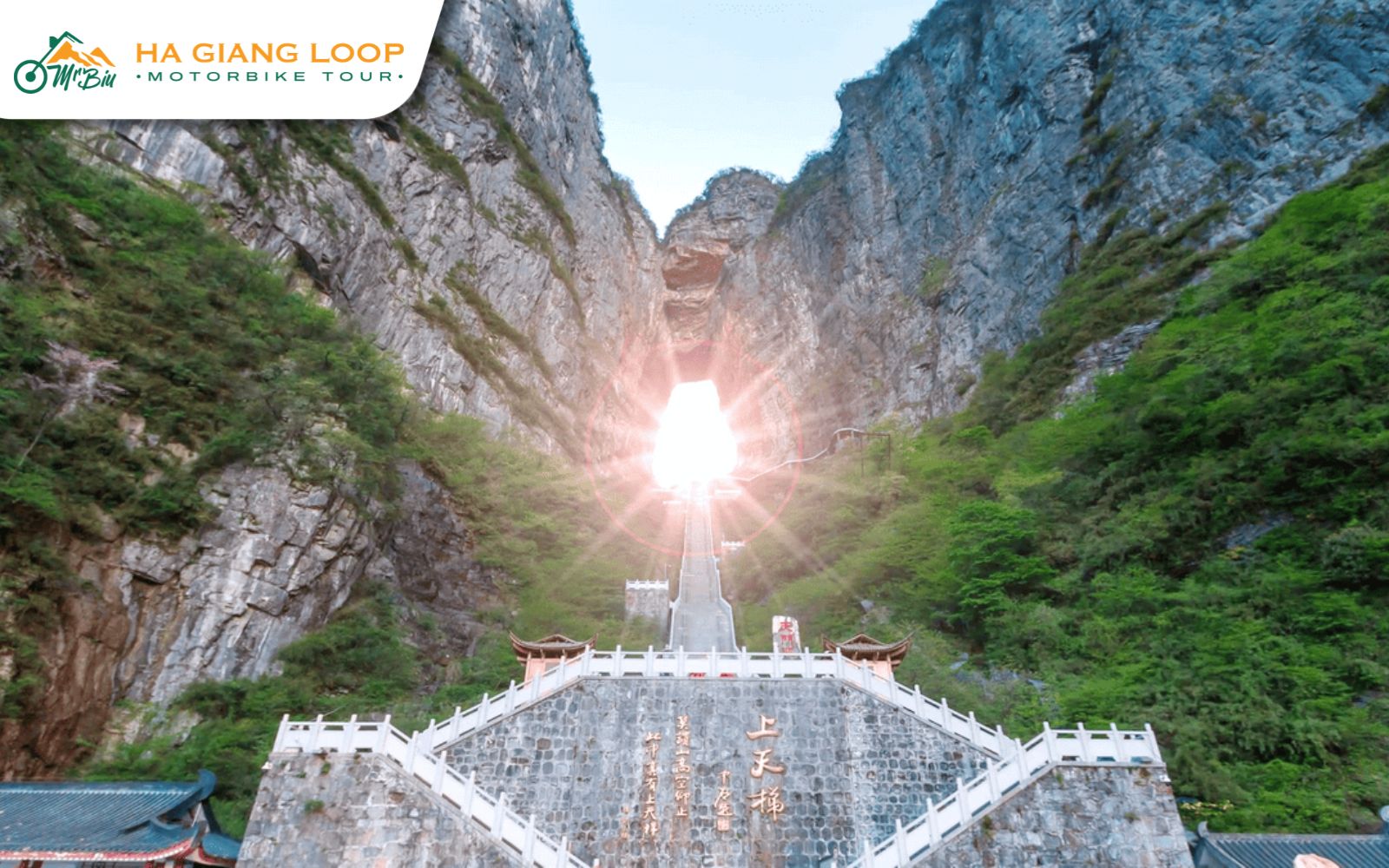
To capture the full scale, head to the viewing platform at the information cafe or use a wide-angle lens to emphasize the curvaceous landscape. If you are flying a drone, aim for the late afternoon to catch the karst towers backlit by a soft, golden glow, or fly above the morning cloud layer for an ethereal effect.
While most travelers rush toward Dong Van, the hidden valleys in this transition zone offer a serene look at highland life. These stretches feature rolling pine forests and isolated cottages that provide a peaceful contrast to the jagged peaks found elsewhere, making them underrated scenic spots on the Ha Giang Loop.
To capture the mood, look for sections where the road cuts through dense pine groves, creating natural tunnels of light and shadow. Use a telephoto lens to compress the layers of the hills or use the road itself as a leading line that draws the eye toward a lonely farmhouse in the distance.
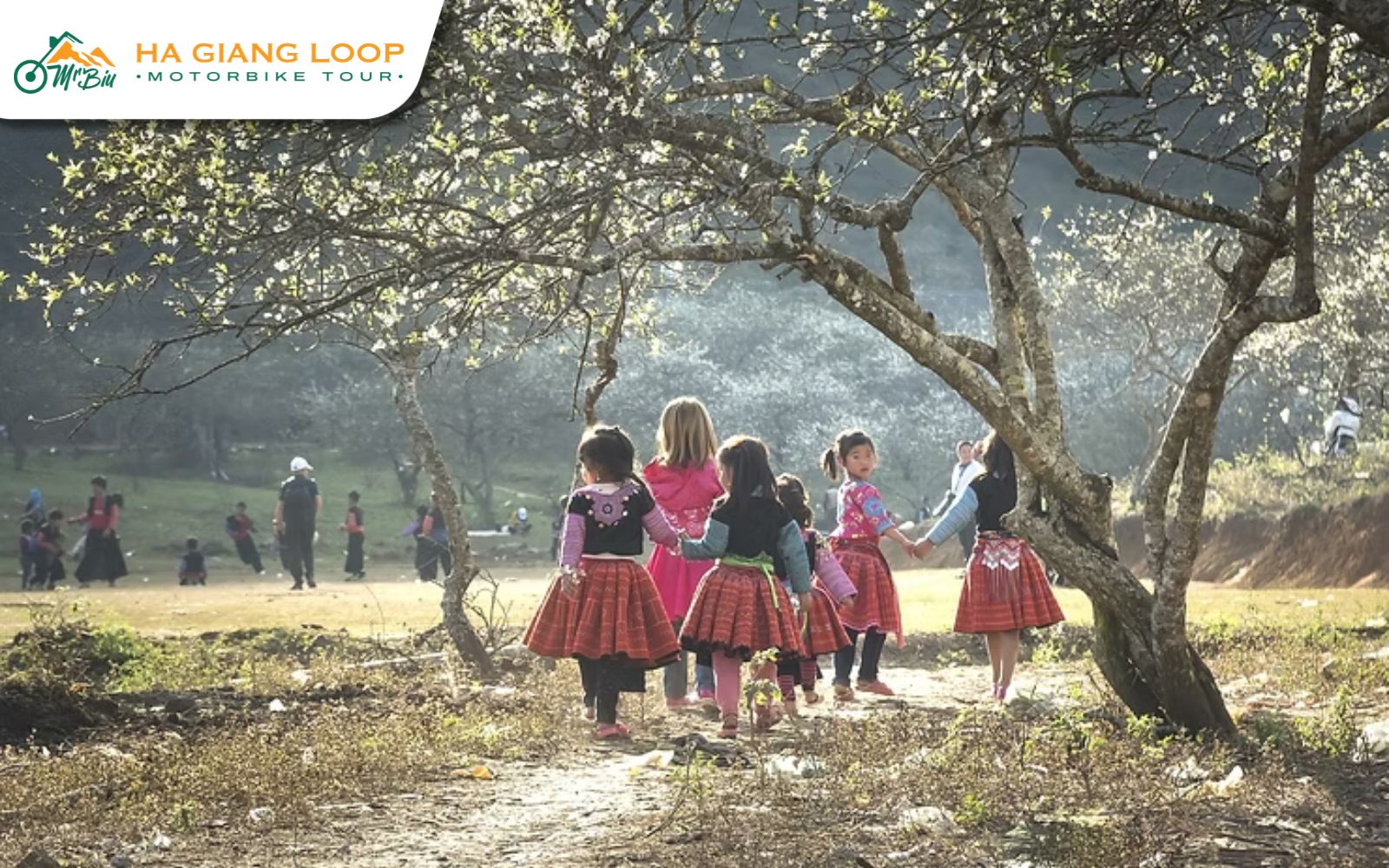
The real magic of Ha Giang Loop photography often happens in the unplanned moments between major landmarks. Whether it’s a group of children walking to school or farmers tending to corn crops on steep rocky slopes, these scenes offer a raw and intimate glimpse into the local way of life.
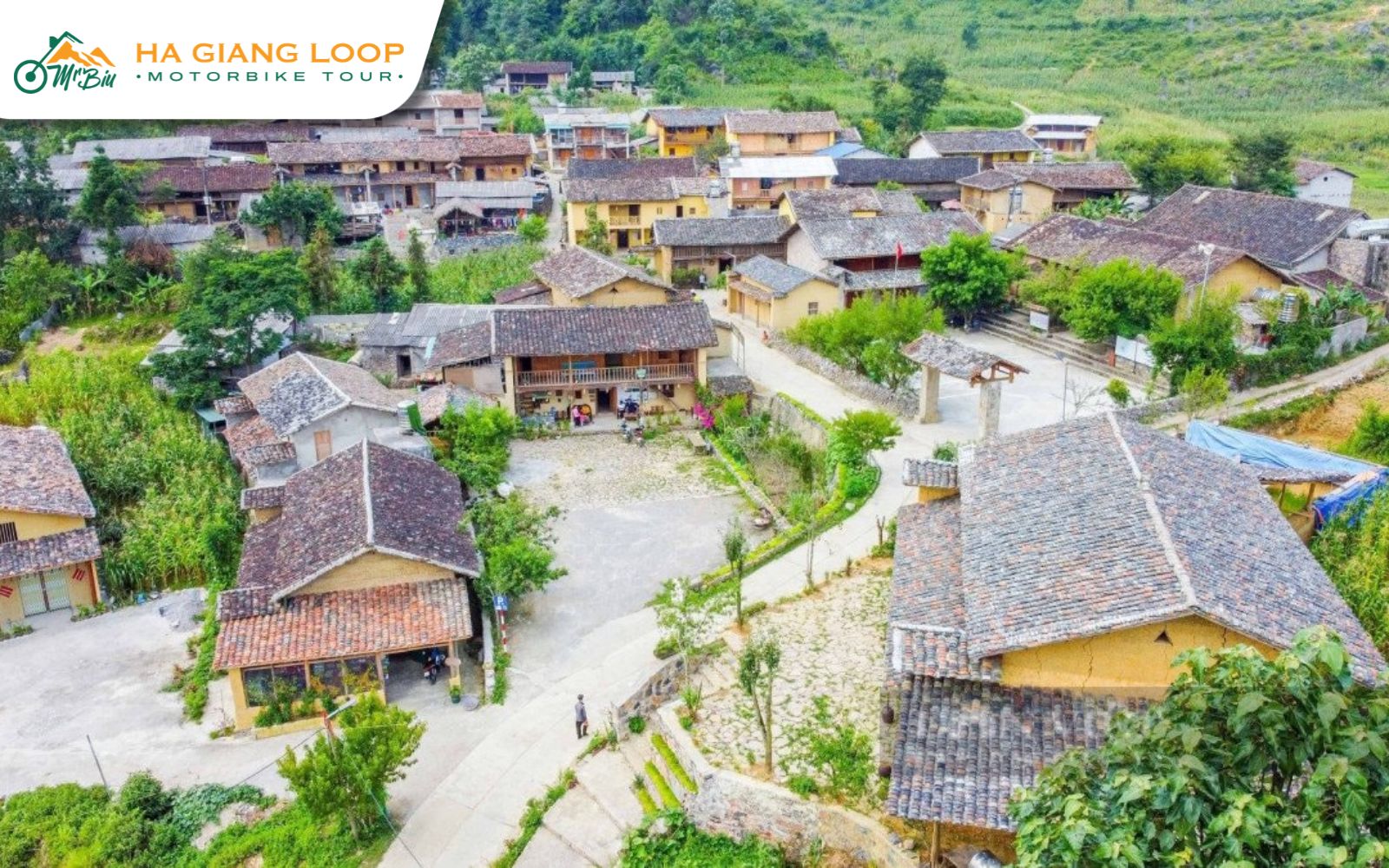
The best approach is to keep your camera ready for candid shots, focusing on the vibrant colors of ethnic costumes against the earthy tones of the mountains. If you stop in Ha Giang ethnic communities, shoot from a low angle to make your subjects appear heroic against the massive limestone backdrops that dominate their backyard.
Every Sunday, the quiet streets of Dong Van transform into a kaleidoscope of color as ethnic groups from the surrounding hills gather to trade goods, livestock, and news. The atmosphere in Ha Giang markets is electric, filled with the sights of Hmong women in intricate shawls and the steam rising from local food stalls, making it one of the best places to take photos in Ha Giang.
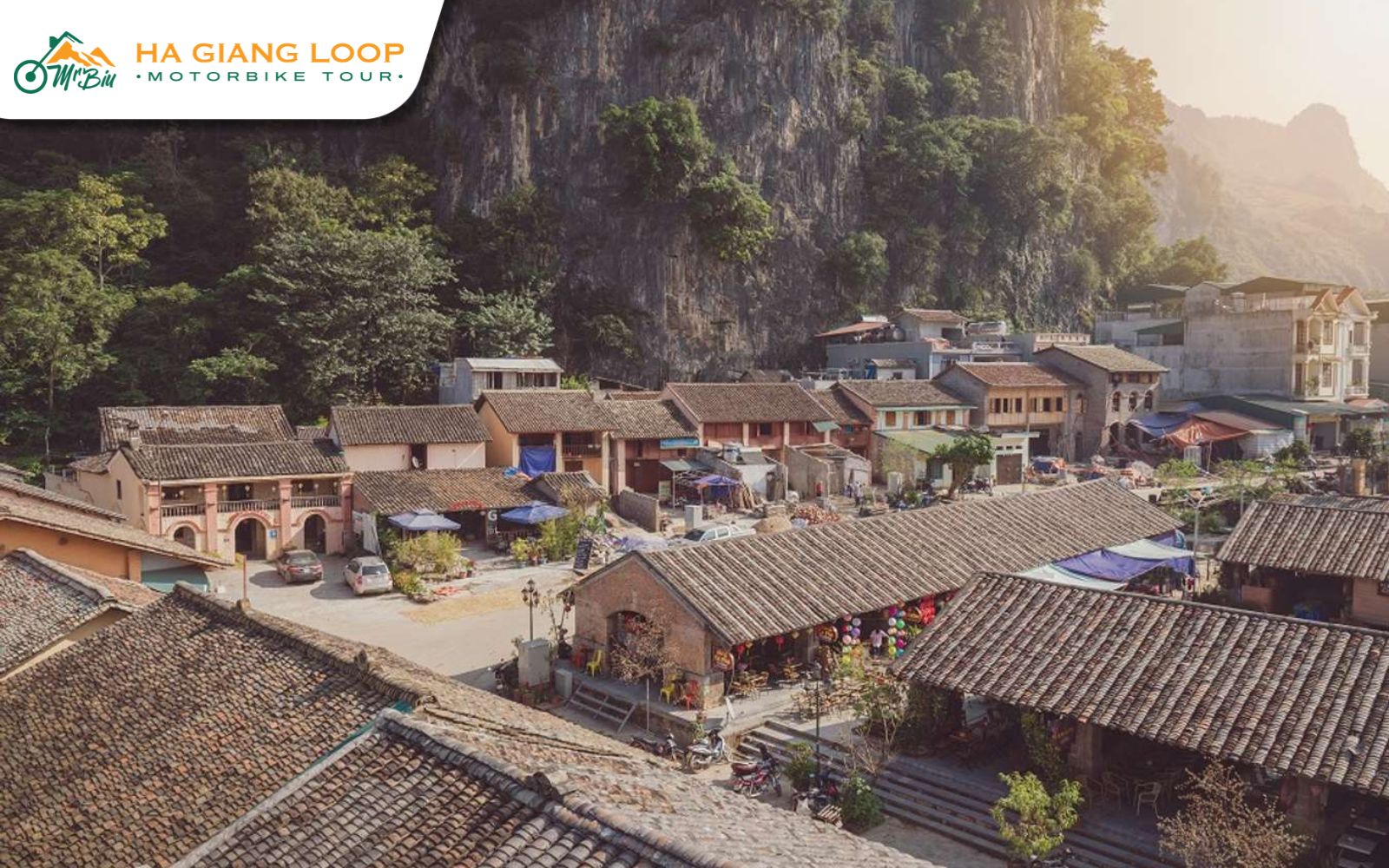
For the most intimate shots, get down to eye-level or lower to capture the authentic expressions of locals bartering or sharing a meal. Use a fast lens with a wide aperture (around f/1.8) to blur the busy market background and make your subjects truly stand out in their traditional attire.
Hidden in a valley of towering pines, this grand residence was once the seat of power for the Hmong King. The architecture is a fascinating hybrid of Chinese, French, and traditional Hmong styles, featuring aged wood, moss-covered stone, and ornate poppy-flower carvings that provide a moody, historical backdrop for your Ha Giang Loop photography.
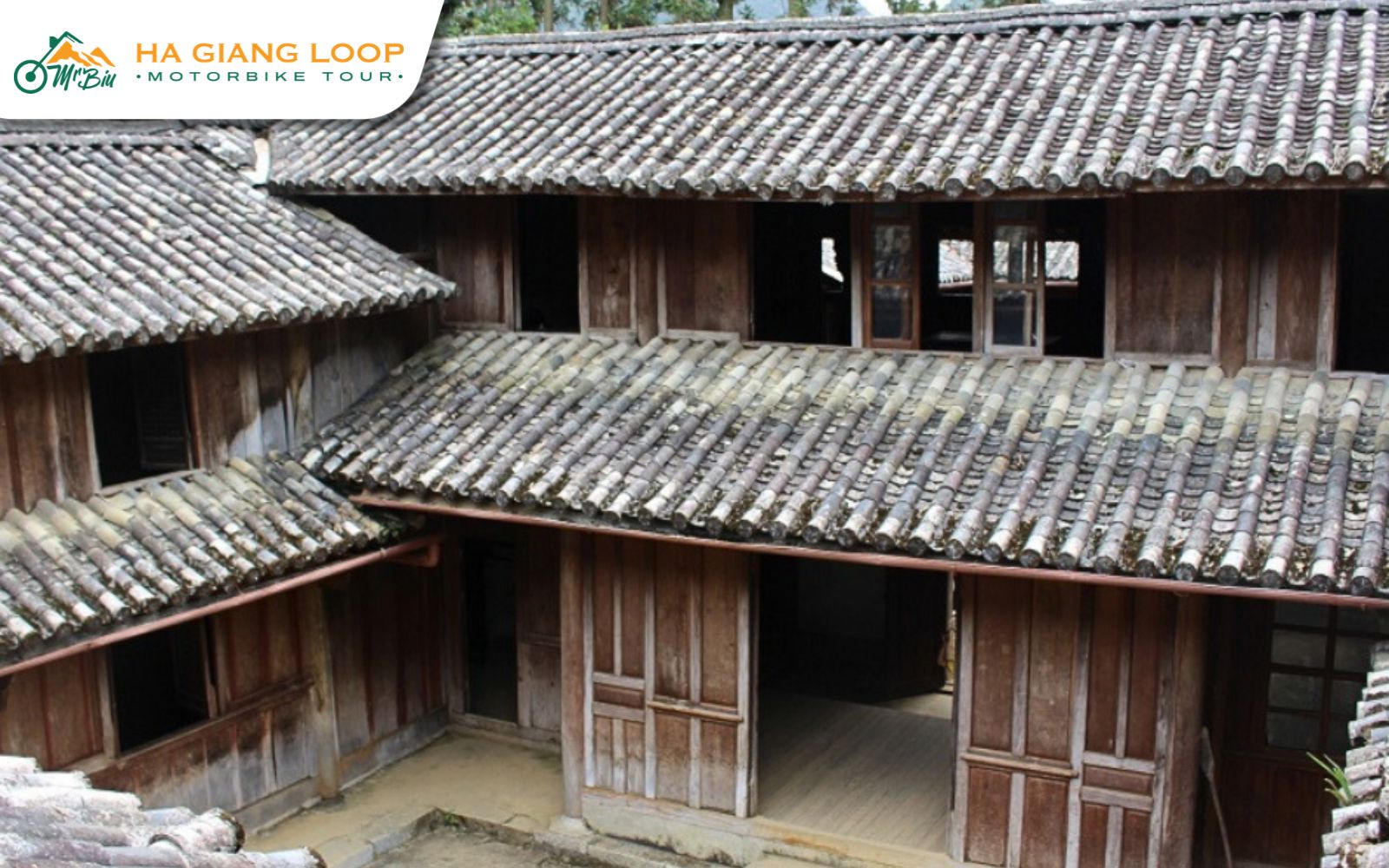
Focus on the play of light and shadow within the interior courtyards, using the dark wooden corridors to frame the brighter outdoor spaces. The repetitive patterns of the yin-yang roof tiles and the symmetry of the stone staircases offer excellent opportunities for architectural compositions.
Located in the shadow of the dramatic limestone spires of Nam Dan, Lung Tam is home to the skillful Hmong women who preserve the ancient art of hemp weaving. This best photo spots on the Ha Giang Loop is a prime spot for “process” photography, where you can document the rhythmic motion of weaving looms and the deep blue hues of natural indigo dye.
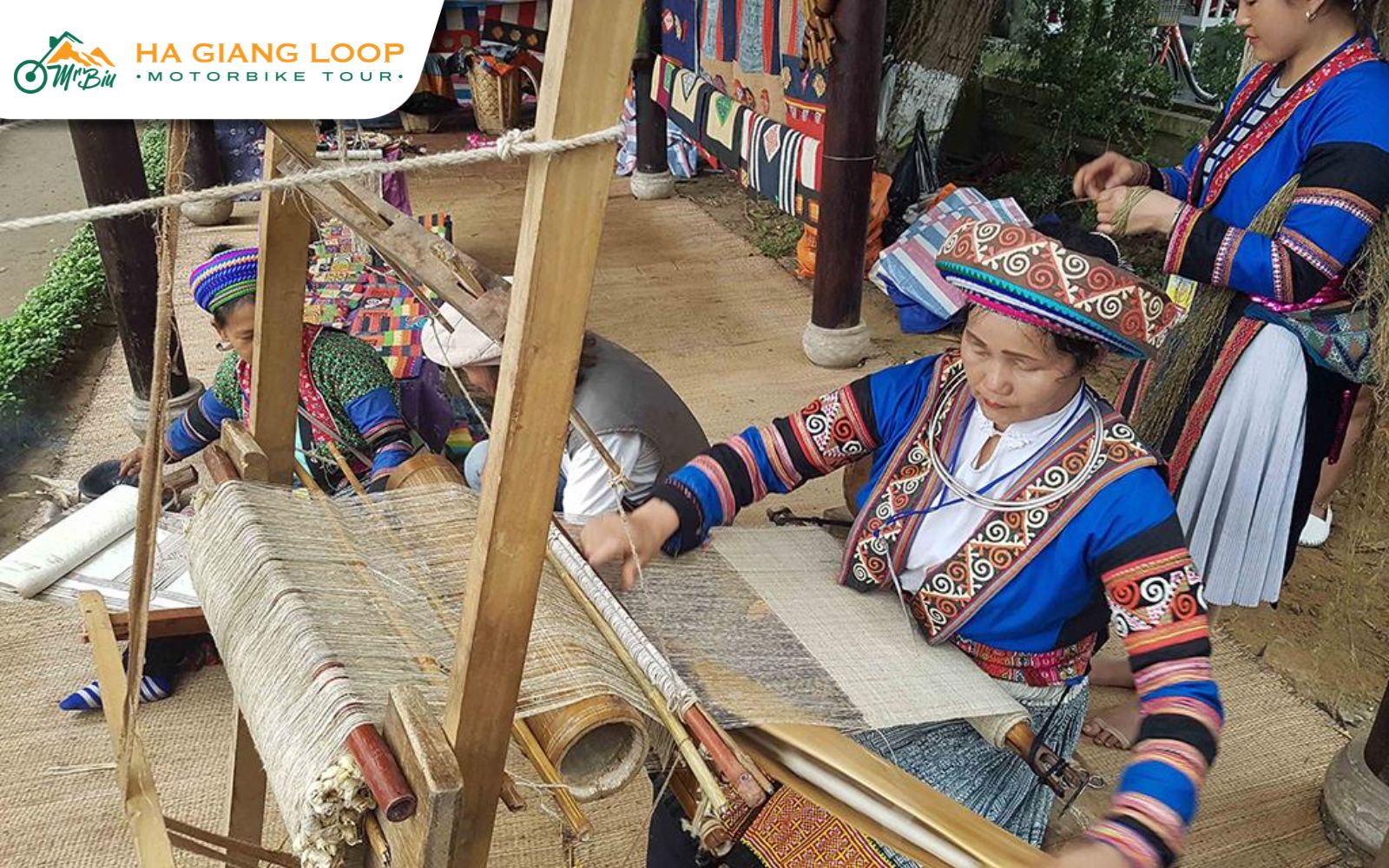
Capture the “rock forest” of Nam Dan as a rugged backdrop for environmental portraits of the villagers at work. If you are shooting portraits indoors or under the shade of the weaving huts, use a small reflector or a gentle fill flash to balance the light against the bright outdoor scenery visible through the doorways.
Drifting through the heart of the Tu San Canyon on a small boat offers a perspective of scale that is simply unmatched. The emerald waters reflecting the towering vertical cliffs create a majestic atmosphere, marking this as one of the best photo stops Ha Giang Loop has to offer. It is a place where the stillness of the water meets the sheer power of the mountains.
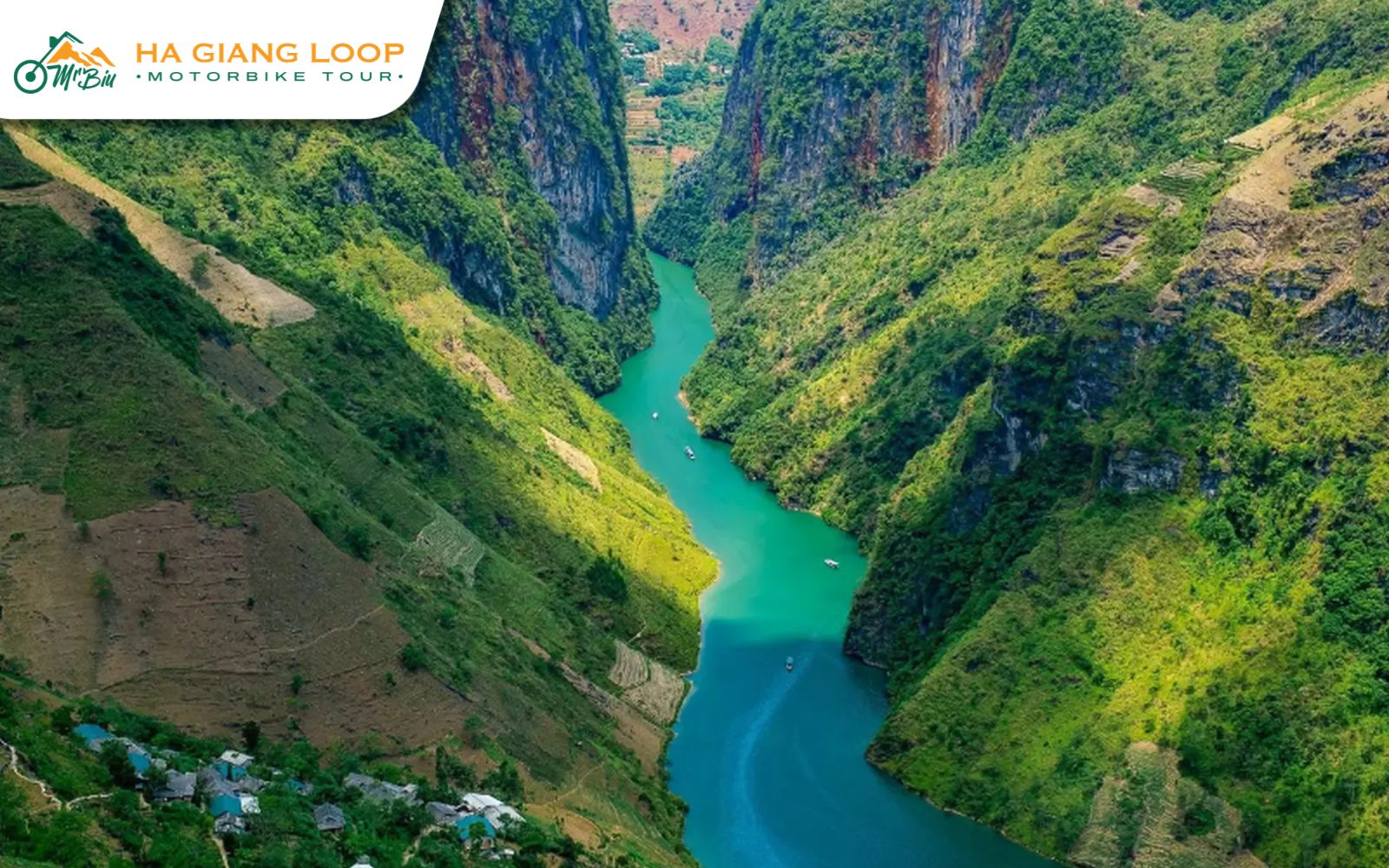
For the most impactful shots at the best photo spots on the Ha Giang Loop, position your camera at the bow of the boat to use the Nho Que river‘s edges as leading lines that draw the eye toward the converging canyon walls. If you are launching a drone, maintain a safe distance from other boats and aim for a top-down perspective to contrast the tiny, colorful vessels against the vast, turquoise water.
During the late autumn months, the harsh limestone landscape is softened by blankets of delicate buckwheat blossoms in shades of pastel pink and white. Buckwheat flowers in Ha Giang are deeply woven into the local Hmong culture, and capturing them against the backdrop of the rugged mountains provides that quintessential, postcard-perfect look of Ha Giang Loop photography.
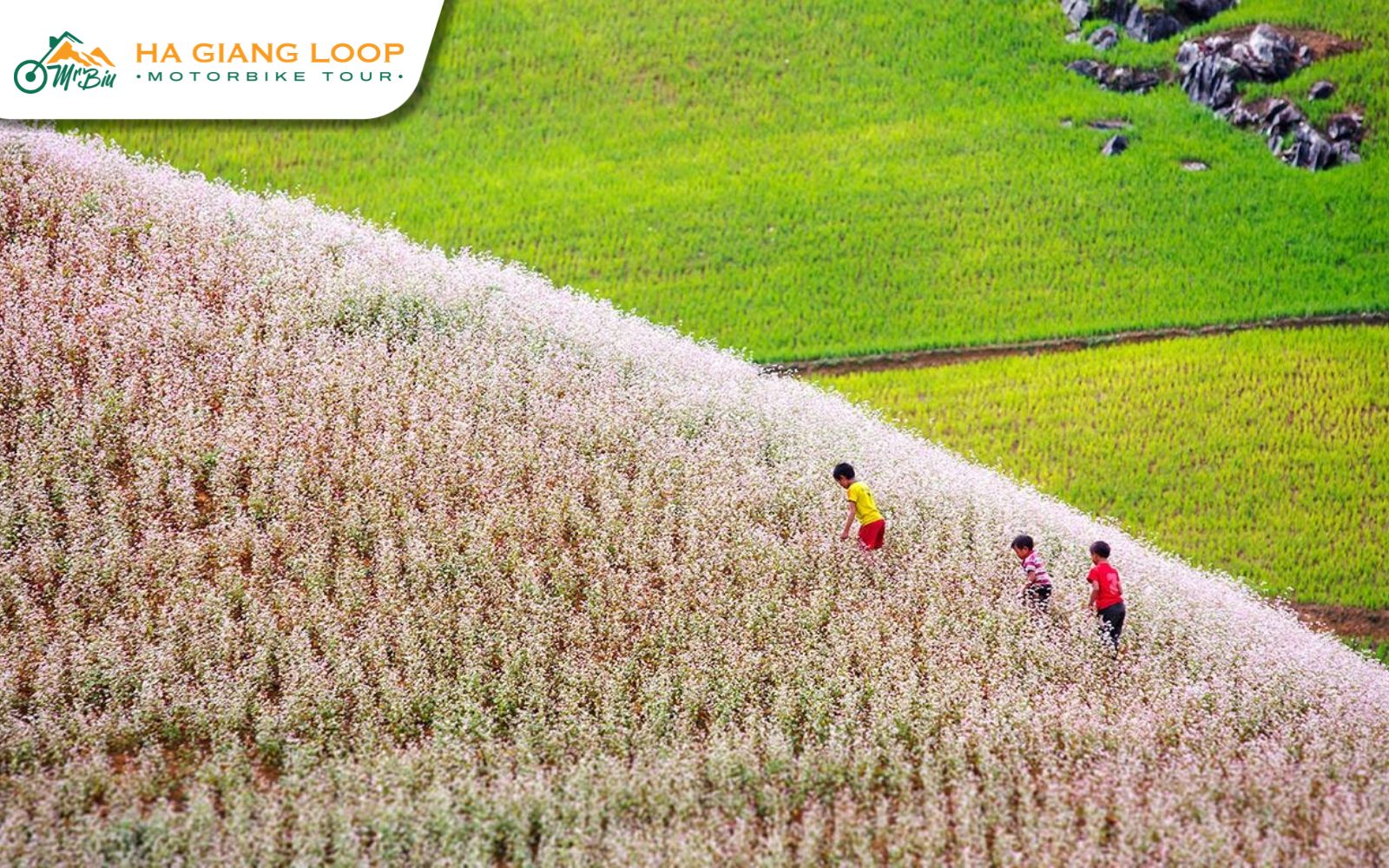
To achieve a “dreamy” aesthetic, shoot from a very low angle to create a soft, blurred foreground of petals that frames the distant mountain peaks. Including a person in traditional ethnic dress within the field adds a human element that elevates the composition from a simple landscape to a cultural story.
Du Gia is a peaceful sanctuary characterized by lush rice terraces and traditional stilt houses nestled beside a cascading waterfall. It is one of the best photography spots Ha Giang provides for capturing a more tropical, verdant side of the north, especially during the harvest season when the terraces glow with golden hues.
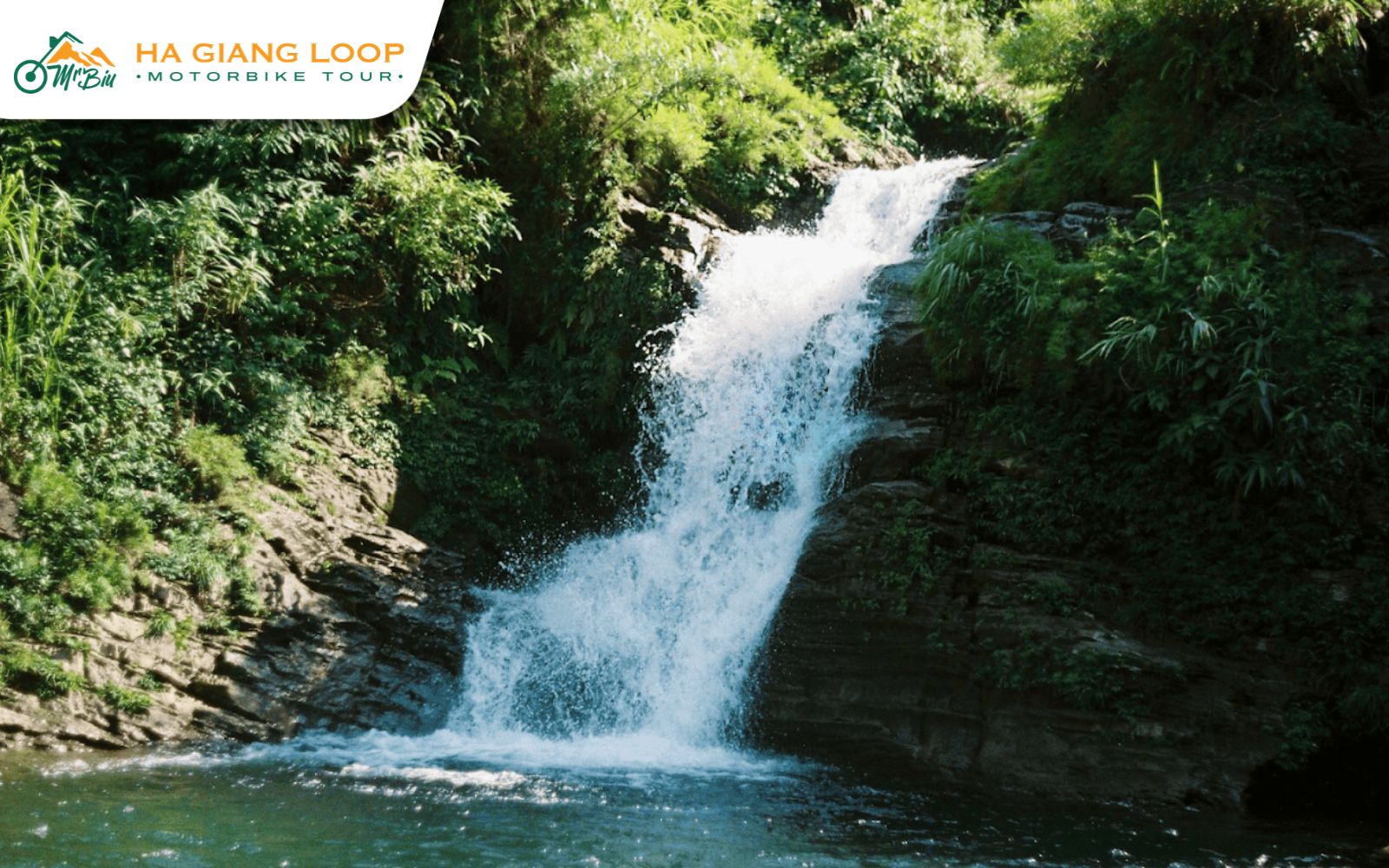
At the waterfall in Ha Giang, use a tripod and a slow shutter speed (between 1/4 and 1 second) to transform the crashing water into a silky, white veil. For village shots, fly your drone early in the morning to capture the mist rising off the rice fields and the sun rays filtering through the mountain gaps.
To transform your Ha Giang tour motorbike from a simple road trip into a professional-grade portfolio, you need to master the unique conditions of the highlands. Here is your essential guide to mastering photography at these best photo spots on the Ha Giang Loop:
Planning the ultimate photography expedition through Northern Vietnam shouldn’t feel like a chore. At Mr.Biu, we specialize in taking the stress out of navigation so you can keep your hands on your camera and your eyes on the horizon. Our team knows every Ha Giang hidden gem and secret overlook that makes for the best photo spots on the Ha Giang Loop has to offer. Whether you are chasing the morning mist or the golden sunset, we provide the local expertise and flexibility that photographers need to capture world-class content.

By choosing our Easy Rider Ha Giang motor tour, you can leave the challenging mountain roads to our professional drivers. This allows you to safely scout for scenic spots on the Ha Giang Loop from the back of the bike, ensuring you never miss a candid moment or a sudden change in light.
We offer two tailored options to help you document this legendary journey:
Book your adventure with Mr.Biu today to secure your front-row seat to the most spectacular landscapes in Southeast Asia. Our expert guides are ready to lead you to the hidden gems and breathtaking vistas that will make your travel portfolio truly stand out.

The Ha Giang Loop is a once-in-a-lifetime journey that rewards every traveler with a gallery of breathtaking memories and world-class imagery. By visiting these best photo spots on the Ha Giang Loop, you ensure that the raw beauty and vibrant spirit of Northern Vietnam are captured in every frame. Check out our tour packages now to start planning your photography adventure with the local experts at Mr.Biu.